




Is 2WD or 4WD Best For Your Pickup Truck
While the concept wasn’t entirely new, 4-wheel drive trucks became available after World War II, thanks to soldiers’ experience with the go-anywhere traits of the Jeep and Dodge Power Wagon models used throughout the war. Even so, it wasn’t until the 1980s that 4WD gained widespread popularity. Since then, almost every truck offered by GMC and other truck manufacturers has been available with 4WD, and it is often standard on upper-level and off-road-focused trims. But for some people, 4WD is unnecessary and can even be a waste of money. Is 4WD or 2WD best for you? Read this Ewing Buick GMC blog post to help you decide.
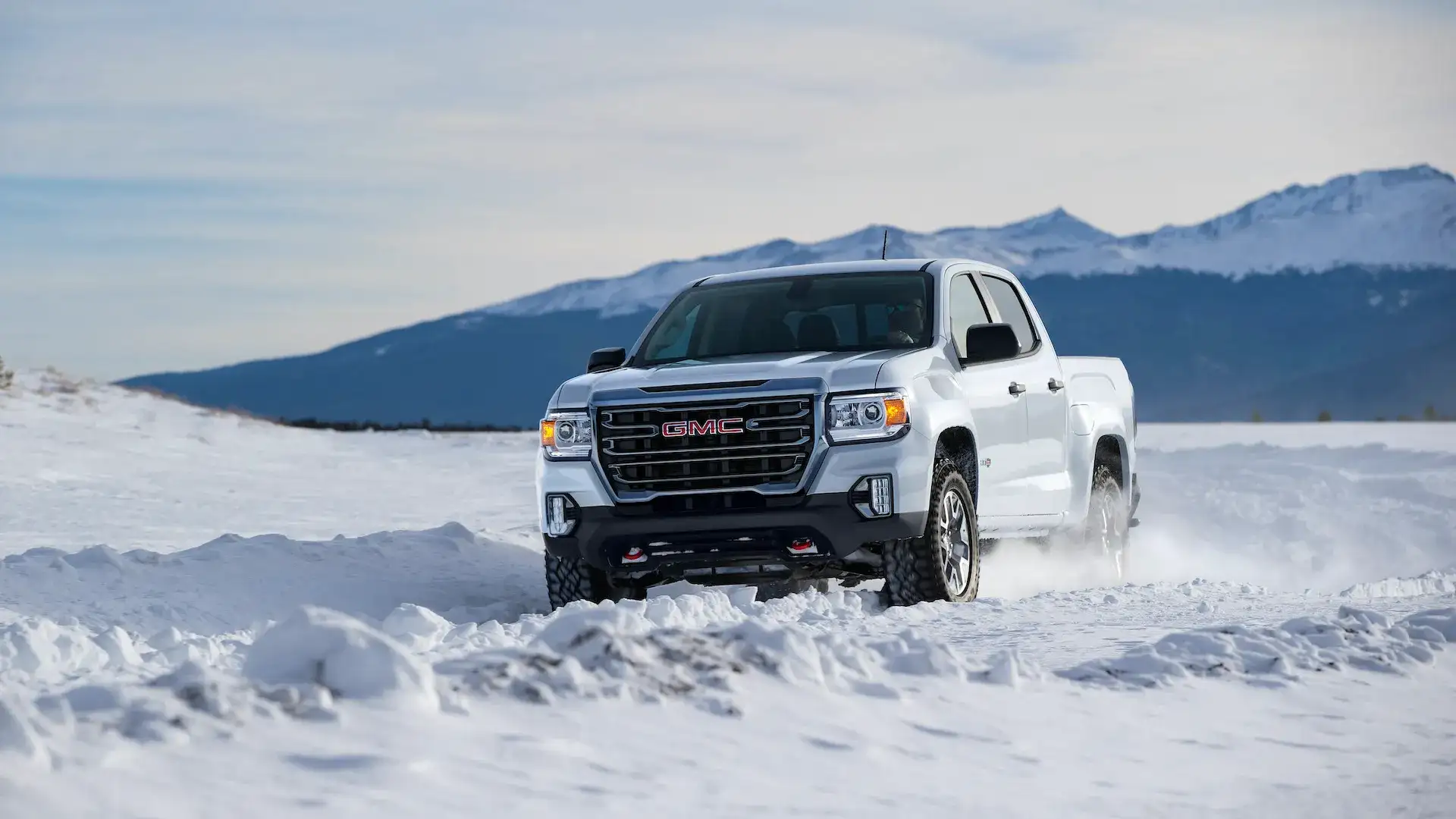
In terms of nomenclature, four-wheel drive can be abbreviated as “4WD” or “4×4”. There is no difference between the two. On the other hand, all-wheel drive (AWD), as found on crossover SUVs, differs significantly in how power is sent to the wheels, particularly on dry pavement. AWD is generally found on car-based vehicles, and while it helps on off-road surfaces, it is mainly optimized for traction on paved surfaces. In the case of body-on-frame trucks like the Canyon and Sierra 1500, rear-wheel drive (RWD) and two-wheel drive (2WD) can be used interchangeably.
2WD is Less Expensive to Purchase…
From a practical standpoint, rear-wheel-drive trucks have several advantages, starting with lower cost. For the GMC Canyon Elevation and several Sierra 1500 trim levels, the MSRP difference between the two drive systems is $3,300, which could bump you up to a higher trim level or add desired options. Depending on where you live, you can recoup some of that in resale, but that doesn’t help with the original purchase.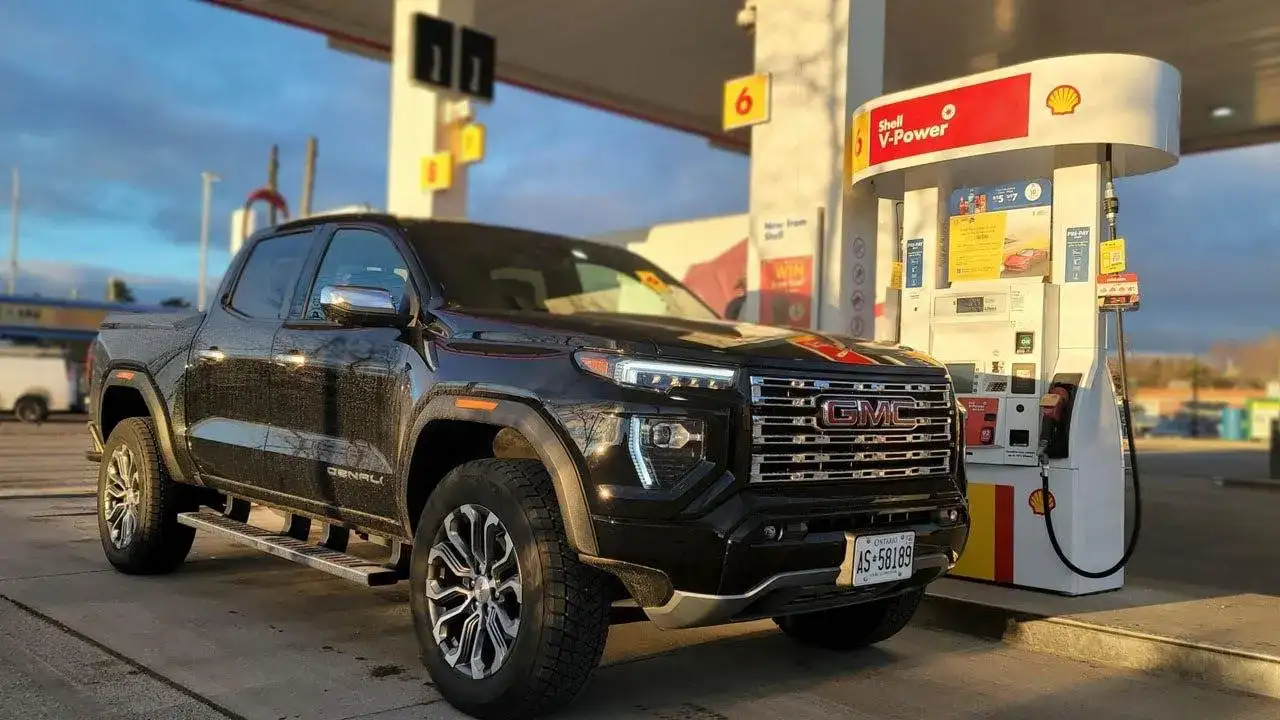
…And to Operate…
The additional driveshafts, transfer cases, and related hardware add drag to the drivetrain and increase the vehicle’s weight, resulting in lower fuel economy. By itself, the change can be minor, as with the Canyon, where the Elevation RWD model has EPA city/highway/combined estimates of 19/23/20, compared to 17/22/19 for the 4WD model. However, when you add more off-road hardware and larger tires, efficiency can drop noticeably, as with the Canyon AT4X at 17/17/17, and with the AEV Package, it drops to 16/16/16.
The differences are similar in the Sierra 1500, where a base model with RWD, the same base engine as the Canyon, is rated 18/21/20, while the 4WD model is rated 17/20/18.
…And to Maintain…
The hardware and electronics required to send power back up to the front wheels alone mean more things that can go wrong, and the transfer case contains fluid that must be changed on a scheduled basis.
2WD Models Have Greater Towing and Payload Capacity
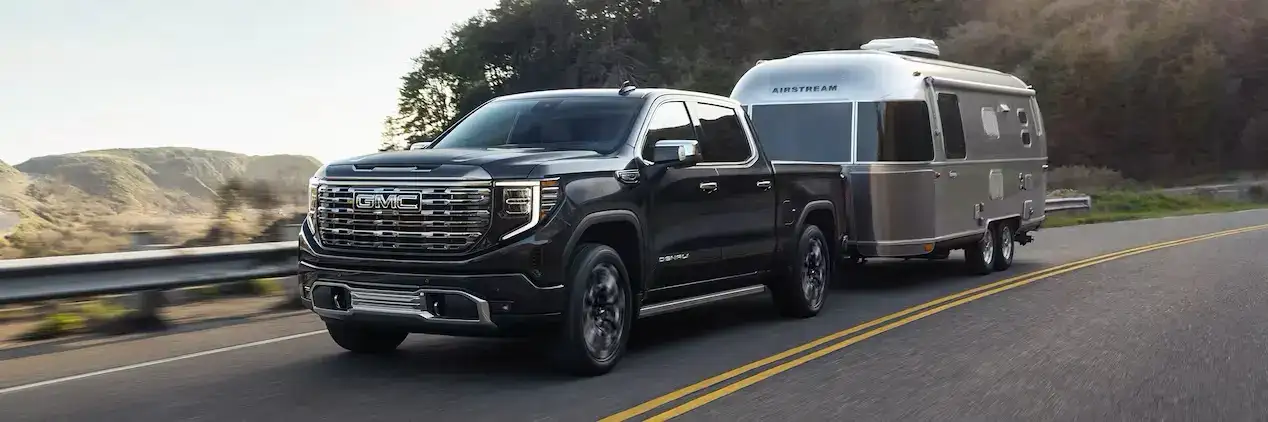
Towing capacity is based on the Gross Combined Weight Rating, which combines the truck’s and trailer’s weights. Payload capacity is based on the truck’s weight. Because the reduced hardware can cause an RWD truck to weigh a couple of hundred pounds less than an identical AWD model, that difference is reflected in increased towing and payload capacity ratings.
When equipped identically with the same trim level and engine, a 2WD model will have higher towing and payload ratings than its 4WD counterpart, usually by a few hundred pounds. This is also why trucks with smaller cabs, beds, and sometimes even engines can also have greater towing and payload capacities, all else being equal.
The improved off-road traction of 4WD
This is the obvious and essentially the sole practical benefit of 4WD. When a 2WD truck is off the pavement and encounters a low-traction area, only one wheel remains to help keep the vehicle moving. In a pickup truck, this issue can be exacerbated if the truck bed is empty, resulting in low weight (and thus reduced traction) over the drive wheels. This problem worsens if there is a large engine, such as a V8, over the front wheels, which pushes the front wheels deeper into the soft surface.
Truck 4WD systems, on the other hand, are designed so that all four wheels rotate in lockstep, meaning there are three other tires ready to keep the truck moving. This advantage primarily applies to off-pavement conditions, but it also applies to snow-packed roads and, to a lesser degree, to wet paved surfaces. With power applied to a wheel regardless of its position on the truck, 4WD also handles weight-shifting conditions, such as steep inclines or declines, more effectively.
Consequently, in areas with frequent snow and/or mountainous terrain, 4WD trucks have higher resale value than their 2WD counterparts, possibly recouping the initial $3,300 difference for the GMC truck, depending on the area.
Of course, neither of those descriptions applies to Plano, Texas, where it can snow on occasion, though it is much less frequent than in more northern or mountainous areas. On the other hand, we do get plenty of rain, so if you have places you like to drive that are not paved, you will have greater confidence going there with 4WD. 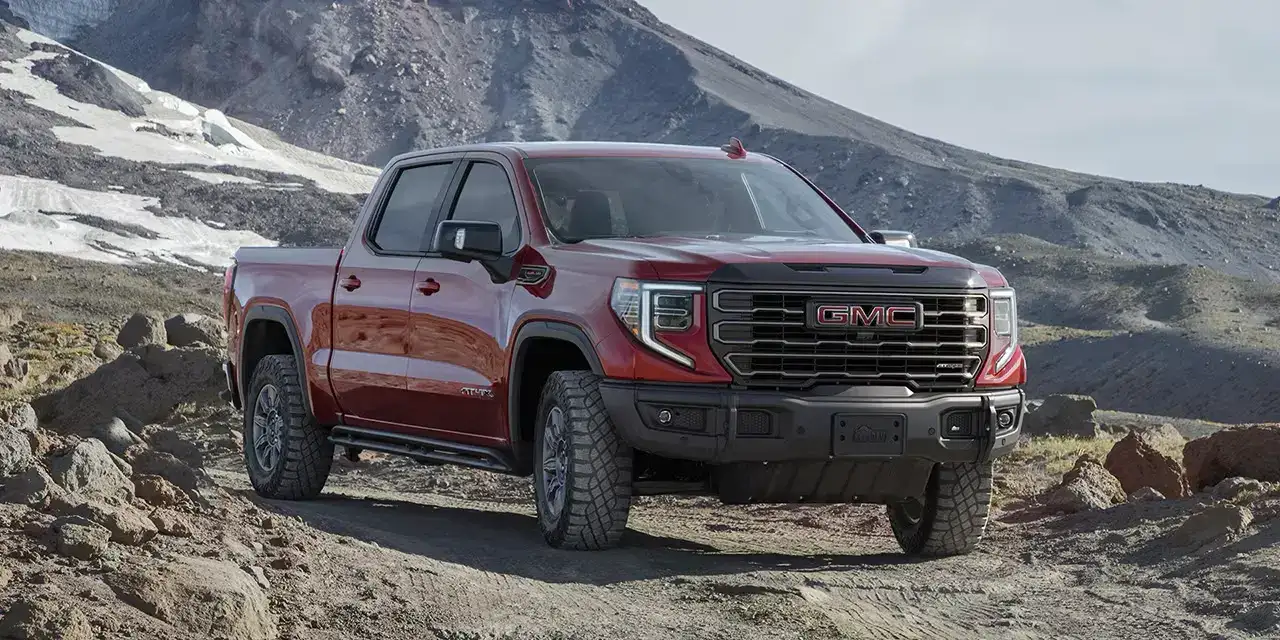 So, again, the practical choice between 2WD and 4WD comes down to how you plan to use your truck. If you have further questions, don’t hesitate to ask the sales and service professionals at Ewing Buick-GMC about how you plan to use your truck and which option may be best.
0 comment(s) so far on Is 2WD or 4WD Best For Your Pickup Truck