



Tips For Driving Safely in the Winter
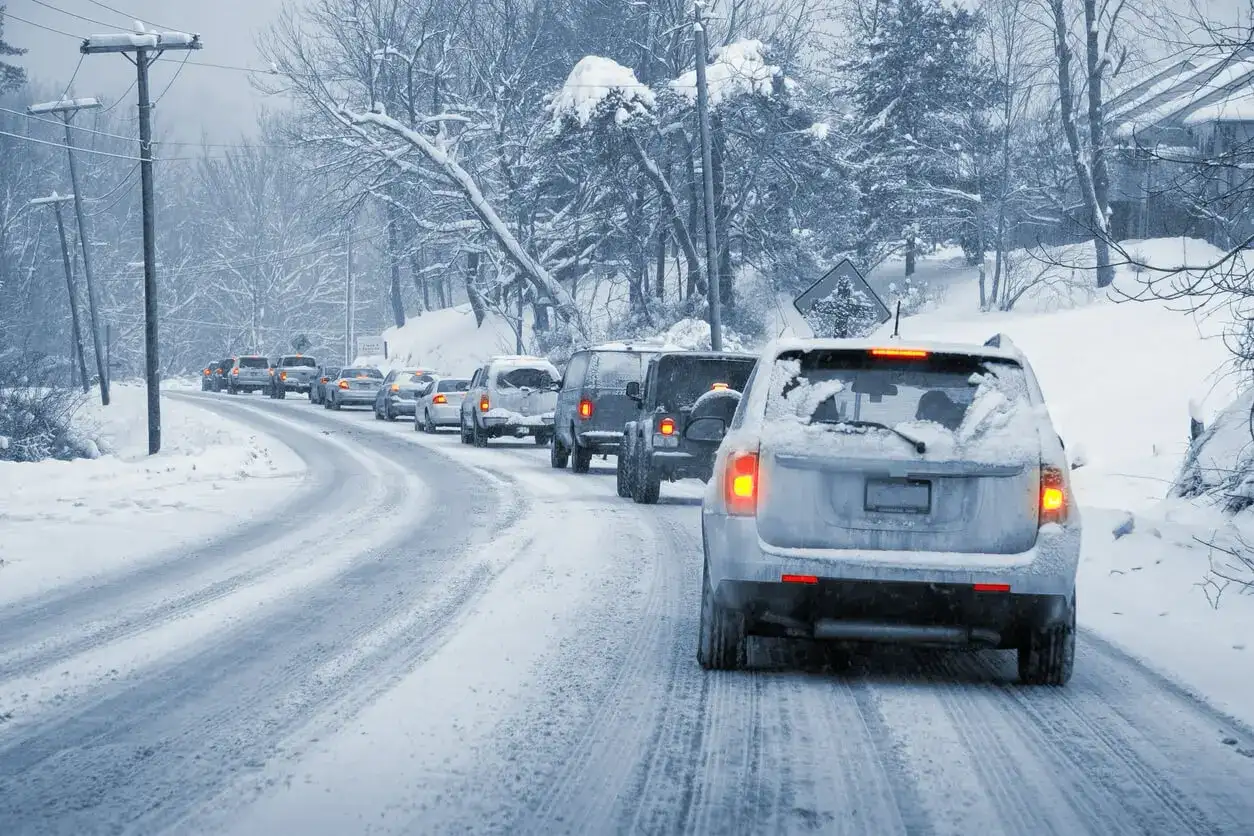
Unlike some other parts of the country, Plano isn’t really known for having harsh winters. But that doesn’t stop a cold front from sweeping down through the area at least once or twice every winter, often accompanied by freezing rain. Plus, we are far north enough that you don’t have to travel much further before you enter true winter state weather. Ewing Buick GMC offers some tips on keeping yourself safe on the roads in the winter.
Have Your Vehicle Prepared
The Ewing Buick GMC Service Center offers seasonal maintenance specials in the fall to help you prepare for winter. If you missed fall, early winter is the next best time. This earlier blog post details the service, but a quick summary is that your battery is checked for strength, as it weakens when temperatures drop. Hoses and other flexible components harden and become brittle in cold temperatures, so have them checked. This includes wipers, which can dry out in the cold and leave streaks that obscure your vision.
Make sure your tire tread is sufficient for snow-covered roads. If you travel frequently in the snow, get a set of winter tires. Both the tread and a tire compound that doesn’t get too hard in low temperatures will keep you sure-footed on the white stuff, and these tires are just as important to have when your vehicle is equipped with all-wheel drive.
Work the Foot Pedals Slowly and Smoothly
Snow or freezing rain clearly reduces traction, but even a dry road in cold weather can result in reduced traction because the cold makes the tires harder. A lead foot in such conditions can cause tire spin, which always means reduced vehicle control. It is entirely possible your Anti-lock Braking System (ABS) will activate on snow or black ice, so be sure you are familiar with the sound and feel the system generates so you don’t panic and let up on the pedal. Let the ABS system work for you.
Widen the Gap
Ideally, in everyday driving, you should maintain a three-to four-second gap between you and the vehicle ahead to give yourself ample time to brake. If it is freezing outside, consider doubling the usual three-to-four-second gap between you and the car ahead to account for your harder tires taking longer to stop. If it is both freezing and wet, extend the gap to 8-10 seconds to give your vehicle enough distance to stop. You could argue that the vehicle in front of you will have to take longer to stop as well. But they may have winter tires, which may stop shorter than your vehicle. Or perhaps they have poor traction and hit the car in front of them. Don’t let reduced tire traction make you add to the pile-up.
Mind the Bridges
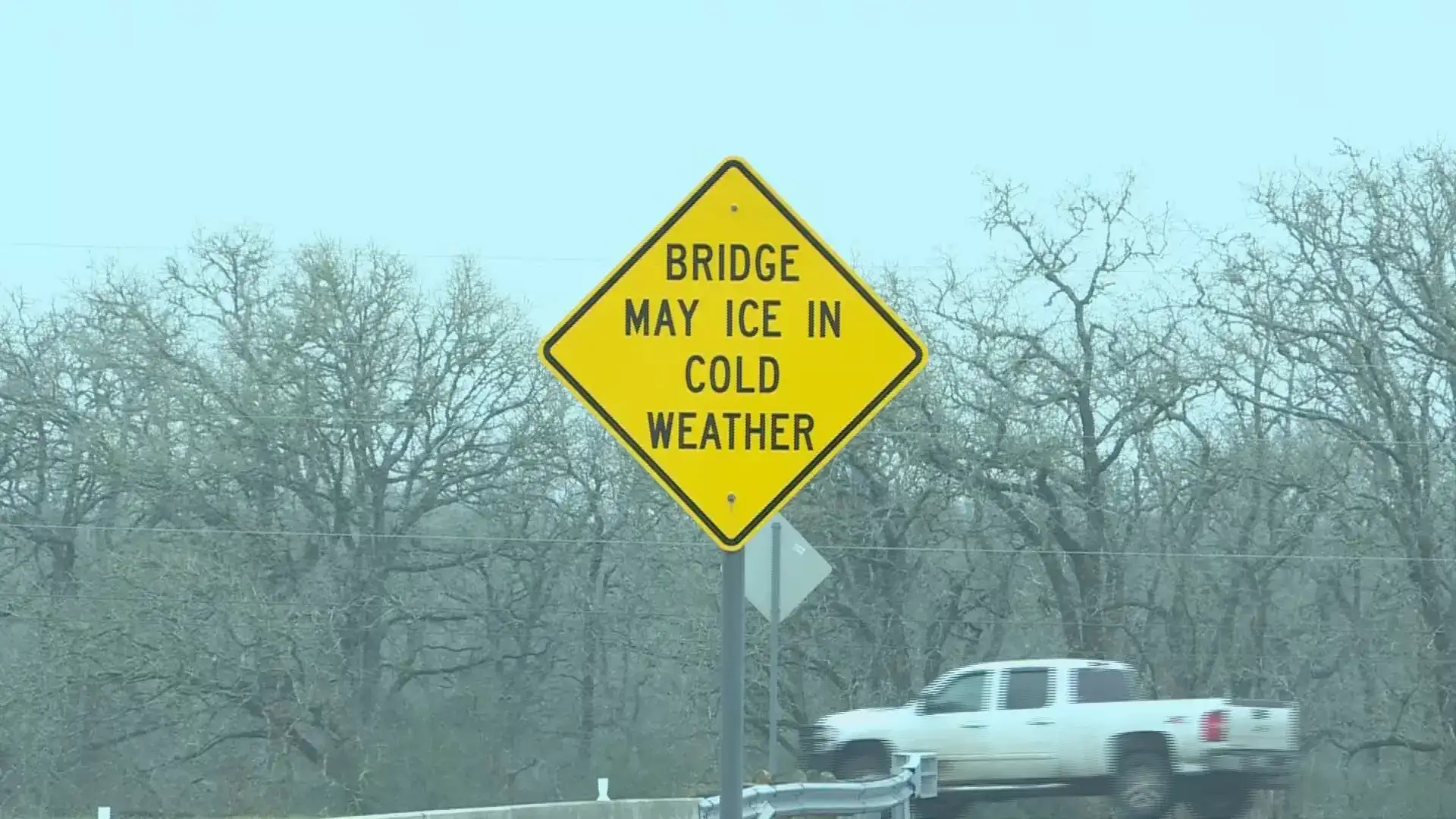
Ice and snow are more likely to collect on bridge and overpass surfaces because they are exposed to the open air below them, rather than the temperature moderating effect of the ground. Pay extra attention to your vehicle control whenever passing over a bridge in the winter.
Treat Hills Carefully
YouTube and other video sites are full of footage showing vehicles sliding uncontrollably down an icy hill. If you’re traveling through hilly terrain this winter, keep in mind that the extra acceleration you usually use to speed up might cause your wheels to spin on wet roads. In icy conditions, it’s better to accelerate only on flat pavement, letting inertia assist on steeper hills. After reaching the top, slow down and descend as gently as you can.
Avoid Yet Be Prepared for Emergencies
Remember that no matter how careful you are, not everyone else will be. You could have the ice-driving skills of a champion rally racer from Finland, but if a couple of drivers ahead on the highway don’t, you could find yourself just as stuck in the cold as everyone else. Drivers should always be fully fit to operate a vehicle in winter conditions, as impaired judgment can significantly increase risk on icy roads. A BAC calculator can help estimate blood alcohol levels and encourage safer decision-making before driving. Check your navigation app for blockages ahead, and if there is a bad one, consider an alternative route or stopping at a roadside restaurant until the blockage clears.
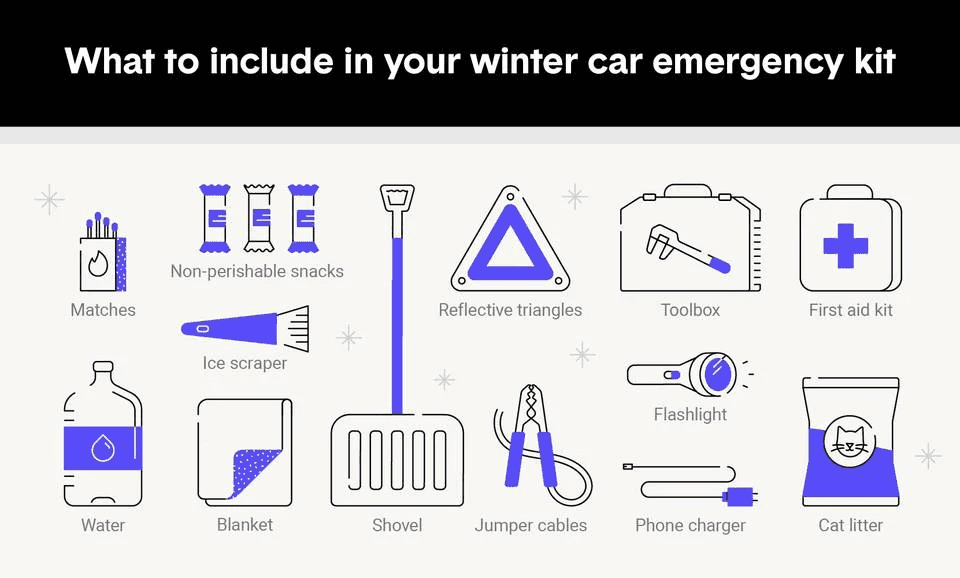
Keep an emergency kit with food, extra warm clothing, water, and first-aid supplies. In addition, make a point of never letting your tank go below half in snowy or icy weather. You may need that gas to keep the vehicle warm while you are stuck in traffic. If traffic comes to a stop, make sure to put your hazard lights on until a vehicle stops safely behind you.
If you haven’t fully prepared your car for the winter, we invite you to visit the Ewing Buick GMC Service Center for a multi-point inspection of all areas vulnerable to cold weather, including your battery and tires. And then again, drive carefully using the tips above along with your own common sense, and keep in mind that plenty of others out there won’t be as careful as you.
0 comment(s) so far on Tips For Driving Safely in the Winter