




How Overland Modifying Your Canyon Affects Your Fuel Economy
It probably does not come as a great surprise that outfitting your truck for off-roading can impact your fuel economy. The folks at the TFLTruck website wanted to know by how much, so they gave a stock Chevrolet Colorado Trail Boss and a GMC Canyon heavily modified for overlanding a little 100-mile fuel mileage test. Ewing GMC is here to tell you what they found.
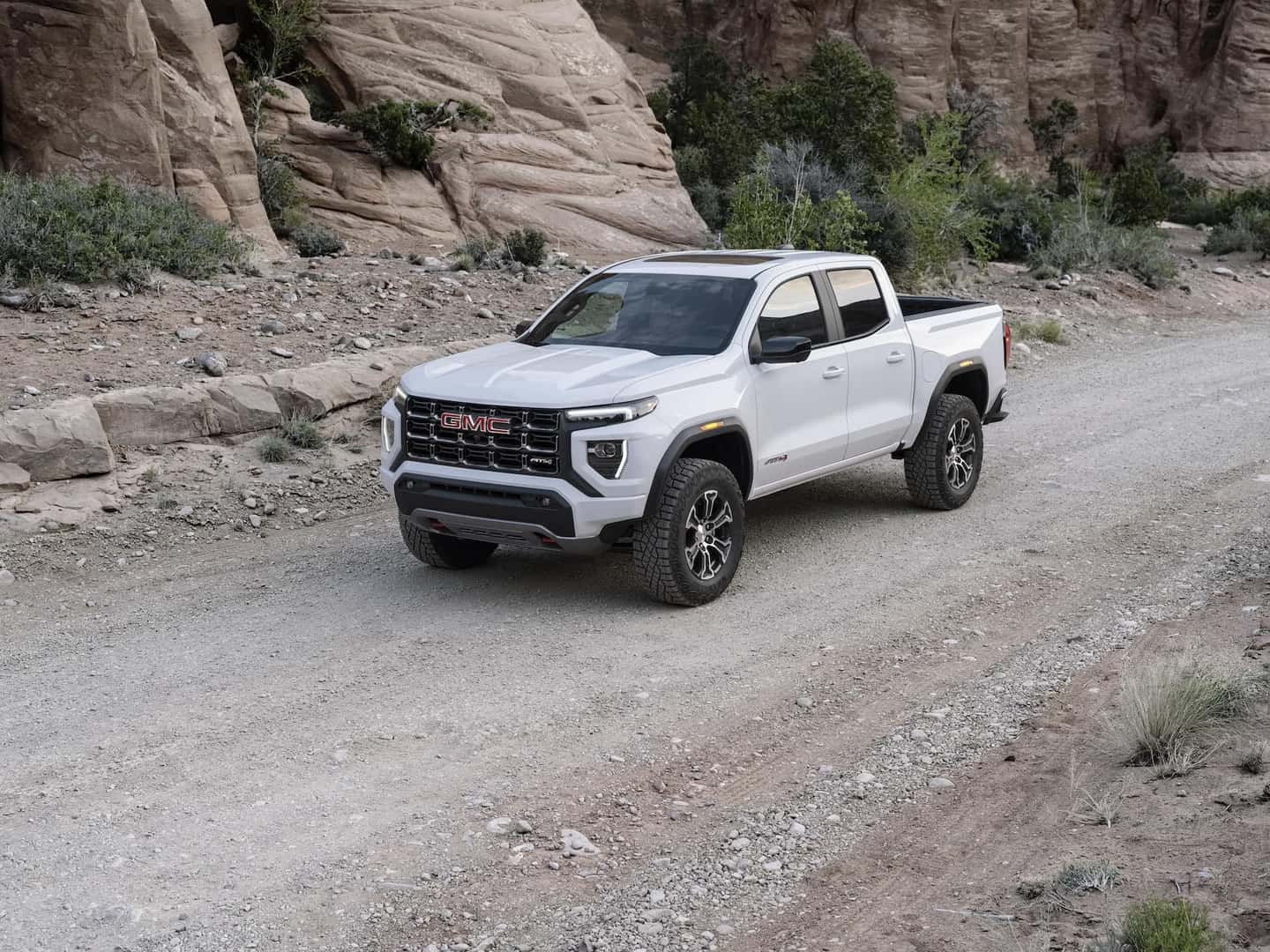
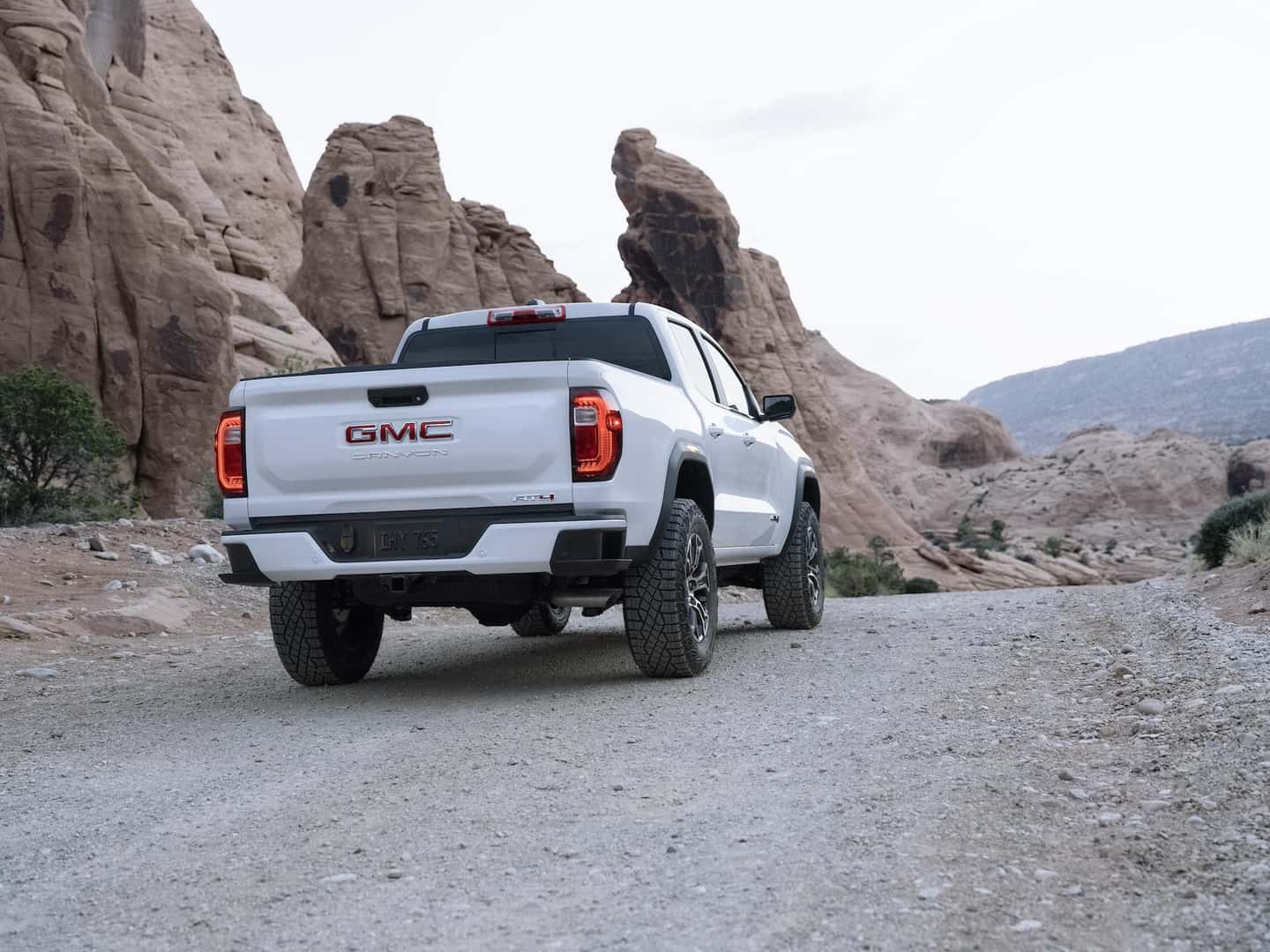
Both models are equipped with the High Output version of the turbocharged 2.7-liter inline-4 that powers both the Colorado and Canyon model lines. The Colorado is bone stock except for some mudflaps. The Canyon is an “Ultimate Build” created by GMC and aftermarket suppliers for the Overland Expo event held in Denver. It isn’t a Canyon AT4X AEV edition, but it is very similar, with aftermarket items from a variety of aftermarket suppliers. The Canyon is lifted to the same height as an AEV Edition and rides on 35-inch all-terrain tires. An intake snorkel that rides up the driver-side A-pillar is added to the engine. A Magna flow exhaust at the other end of the powertrain allows additional off-road clearance. Otherwise, the engine is identical to the Colorado’s, and both are mated to an 8-speed transmission and have the same 3.42:1 rear axle ratio.
As a showpiece for the Overland Expo, the Canyon AT4X is outfitted with the latest overland travel and camping accessories. At both ends are AEV steel bumpers with off-accessory road lights and a winch added to the front. AEV also provided the five-skid plate package underneath. At the top is a robust rack with a top-mounted wedge camper tent. Also built-in is an awning, a shower curtain, a drawer storage system, side storage boxes, an air and water tank, a solar-powered house battery system, and enough additional gear to cook, sleep, and explore in the wild for several days.
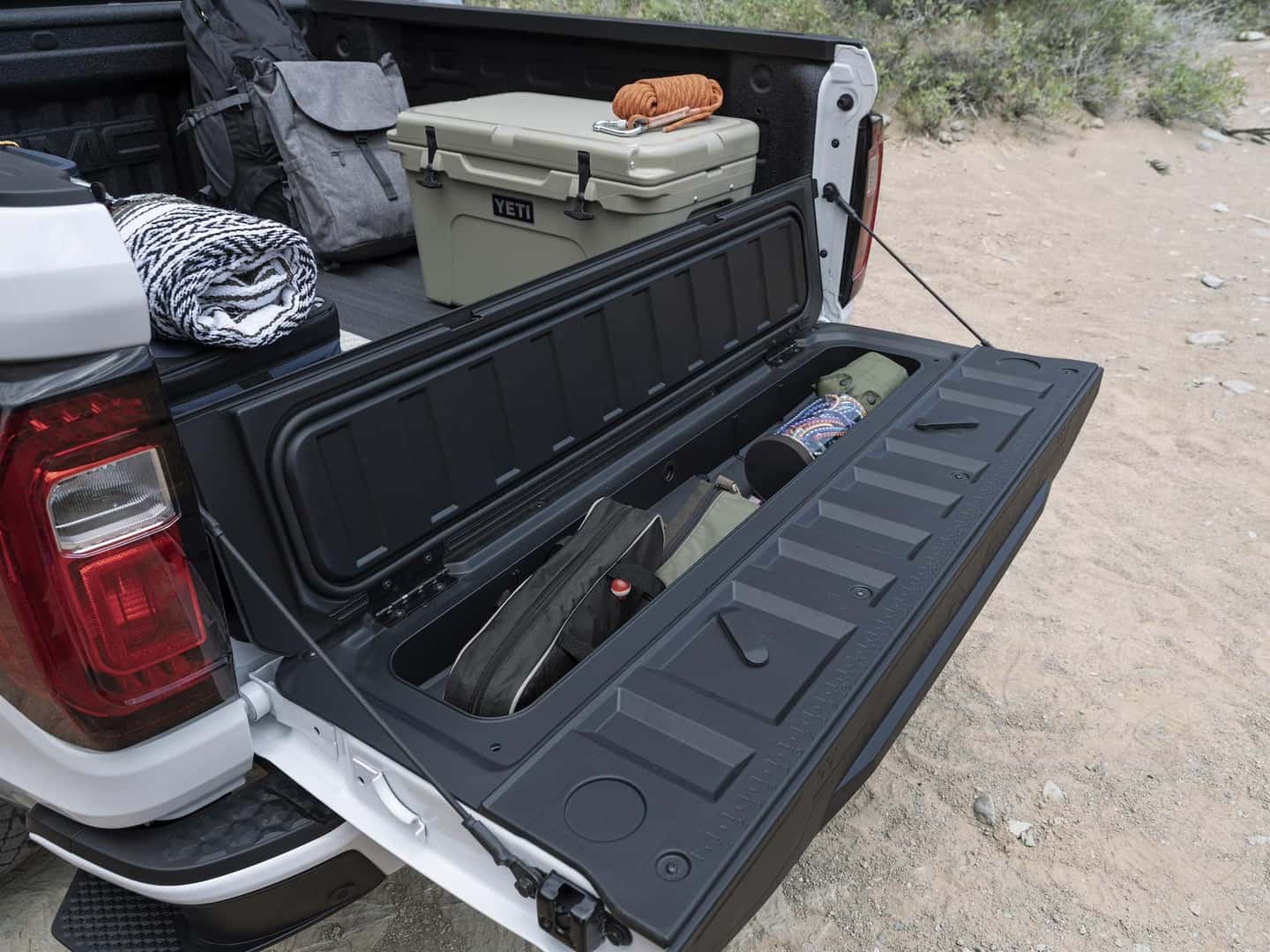
This adds weight and aerodynamic drag to the truck. The testers decided it was fair to even out the weight—after all, even non-overlanding trucks are expected to haul things—so they loaded a couple of transmissions into the Colorado’s truck bed.
The route is a loop highway around Denver that Google states is 111 miles for the full circle. The vehicles convoyed around the loop at the exact same highway speeds. The trucks had their own measurement for fuel mileage estimates, but after the loop, the testers returned to the same gas station and topped off their tanks at the exact same pumps in case there were cut-off differences.
The Colorado used 4.627 gallons for the trip, which, when divided by 111 miles, showed a fuel mileage of 23.8, which is about the same as the trip computer reading and a little better than the EPA estimated highway figure of 23 for the truck. The modified Canyon consumed 6.578 gallons for the same trip, which calculates to 16.9 mpg. This is better than the 14.3 reading from the trip computer and a little better than the AT4X AEV Edition’s rating of 16 highway mpg. It is also about the same as a stock Sierra 1500 AT4 with the same engine.
The 6.9 mpg difference is not insignificant but is unlikely to keep overlanders from pursuing their passion. It is simply another cost of the activity. Whether it is perfect out of the box or just a canvas for your own lifestyle or workplace mods, the Canyon is a solid compact pickup truck choice, and you can find them in abundance at Ewing GMC.
0 comment(s) so far on How Overland Modifying Your Canyon Affects Your Fuel Economy